Notes from the operating seat.
Essays and frameworks on operations, people, and growth for founder-led firms.

Every Client Doesn’t Deserve the Same Service From You: A Case for Client Tiering
Client tiering is an internal system for sorting clients into groups that guide how you staff, scope, and serve them. Instead of saying yes to everything, you match effort to each client’s real value, protecting your margins, your best people, and the quality every client feels. Here’s how to build and roll out a system your team will actually use.
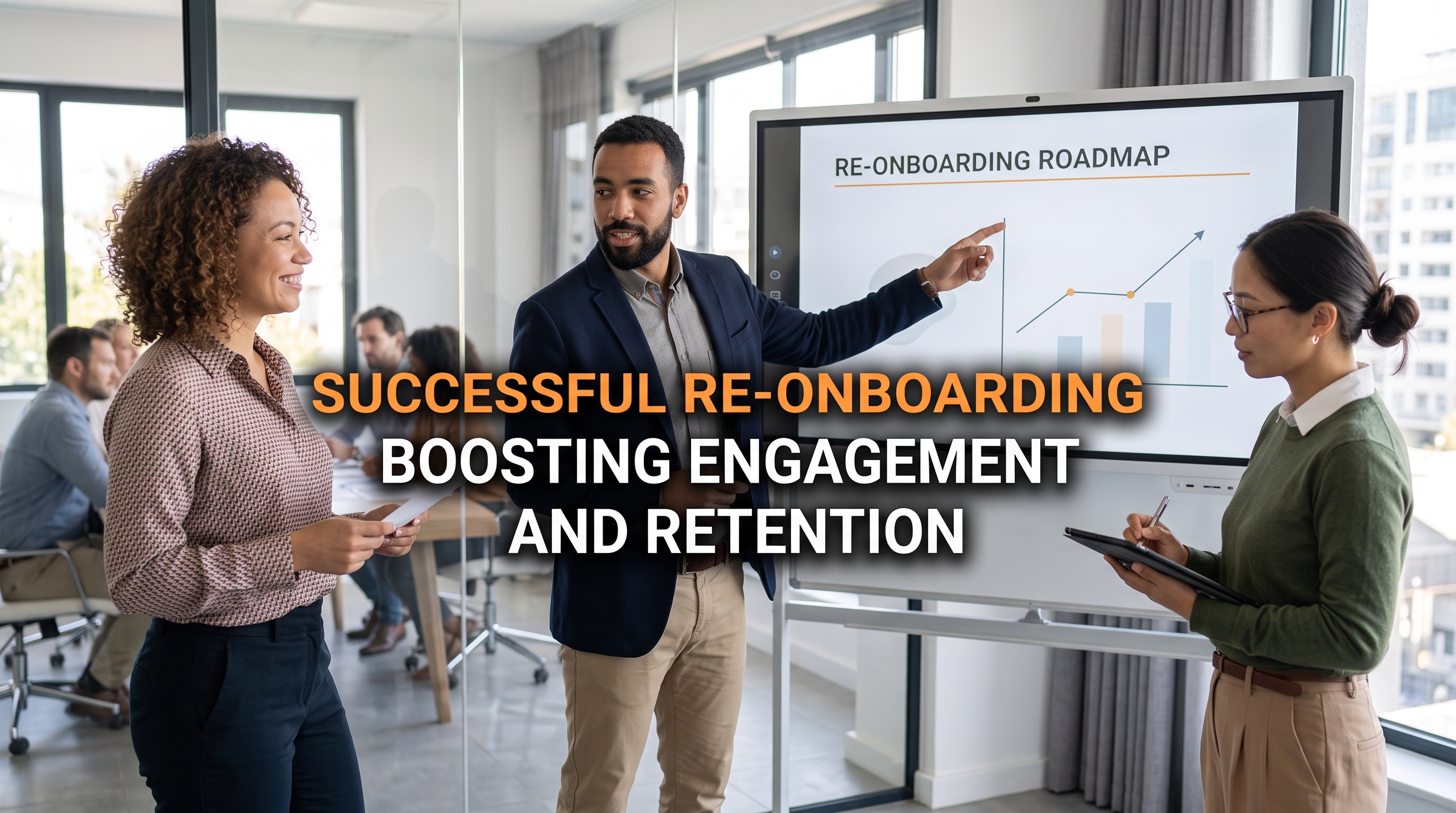
New Hires Aren’t the Only Ones Who Need Onboarding: A Case for Re-Onboarding Plans for Career Transitions
Onboarding shouldn't stop after an employee's first day. Discover why structured re-onboarding plans are vital for career transitions, boomerangs, and returning leave-of-absence staff. Learn how to set up scalable re-entry frameworks to boost retention and keep your team aligned.

Set Expectations, Not To-Do Lists, For Career Growth
Are your team's career paths turning into rigid checklists that lead to promotion frustration? Discover why focusing on behavioral standards rather than endless task lists is the key to meaningful professional growth. Learn how aligning employee readiness with actual business needs creates a transparent, thriving culture.

Not Everyone Should Manage: How to Build a Career Path for Your Experts
Promoting your top technical expert into management often leaves you with a struggling leader and a lost doer. Building a dual-track career ladder allows your best subject matter experts to grow in pay, status, and influence without forcing them to manage people. Discover how establishing equal mobility tracks protects your talent and keeps your business scaling smartly.

Get Clear About Transparency at Your Organization Before You Promise It
Promising transparency to your team and clients sounds great in theory, but without clear boundaries, it can quickly backfire. Left undefined, everyone will assume transparency means access to everything—from salaries to confidential business strategies. Discover how to build a clear, proactive transparency policy that protects your business while building lasting trust.

Stop Leading a Fiefdom: How to Get Senior Leaders Thinking Company-First
Are your department heads acting more like heads of fiefdoms than enterprise leaders? Getting senior managers to transition from departmental loyalty to a company-first mindset is a critical shift that rarely happens on its own. Discover the practical reframes, checklist questions, and coaching strategies you need to align your leadership team and successfully drive your business forward.

Functional Structure vs. Matrix Structure: Which Is Right for You?
Is your growing firm’s organizational structure set up to scale, or is it quietly driving your team toward chaos? This breakdown explores the critical pros and cons of functional versus matrix structures to help you identify the perfect model for your service mix and culture. Read on to discover the exact diagnostic questions and foundational steps needed to build a flexible framework that compounds your capacity as you grow.

Unprompted Updates: The Retention Move Hiding in the Gaps Between Meetings
Want to keep your clients from quietly walking out the door? Stop waiting for status calls to show your value. The secret weapon hiding right in plain sight is dropping unprompted updates—proactive, bite-sized insights shared between meetings that signal you’ve got their back. Whether it’s a competitor move, an industry shift, or a weird KPI spike, sharing quick takeaways shows you’re constantly thinking about their goals without being asked. You don't need a massive tech stack to start, just a repeatable process (and maybe a little AI automation) to stay proactive and make your team indispensable.

Beyond Client Work: The Missing Value Chains Killing Your Culture
If you're wondering why your culture initiatives keep losing to the day-to-day grind, here's the uncomfortable truth: client work is the only thing in your firm with a real feedback loop. Do it well, get rewarded. Drop the ball, feel it fast. Mentorship and upskilling don't have that same wiring -- so when push comes to shove, they lose every time. Here's what it actually takes to change that.

You Don't Always Grow With the People You Start With
The person you first hired was right for your business then, but as your company evolves, you must determine if they remain the right fit for their role now. Deciding whether an early-stage employee can grow with your firm is not a betrayal, but rather smart business math based on the changing needs of your model and processes. This guide helps you diagnose role mismatches honestly and act with the clarity and kindness necessary to protect your team’s culture and long-term growth.

Your Best Doer Is Probably Not Your Next Best Manager
Promoting your top individual contributors to management without proper training often leads to a double loss: you lose your best producer and gain an overwhelmed, struggling manager. Instead of assuming craft mastery translates to people leadership, firms should implement intentional selection criteria and provide structured onboarding for new managers. By building a parallel career track for individual contributors, you can retain your top talent while ensuring management roles are filled by those who truly want them and are equipped to succeed.

The 12-Element Client Risk Scorecard: Stop Managing Churn by Vibes
Are you running your agency based on intuition rather than data? You might be losing significant ARR to "leaky bucket syndrome" without realizing it until a cancellation notice hits your inbox. It’s time to move beyond managing churn by "vibes" and start using a structured, 12-element risk scorecard. In this post, we’ll show you how to turn your gut instincts into a normalized, actionable metric so you can track account health, identify early-warning signals, and stop being blindsided by client exits.

Your Mission, Vision, and Values Need an AI Reality Check
If you defined your company's Mission, Vision, and Values (MVV) more than a year ago, you built them for a pre-AI world. Today, you’ve likely pivoted your roadmap, restructured workflows, and adopted new technologies...so why are your core guiding principles still frozen in the past? In an era of hyper-automation and rapid change, your MVV isn't just HR fluff or poster decoration. It is the crucial "connective tissue" that aligns your human team, filters major business decisions, and serves as the ultimate behavioral guardrail for your AI agents. Read on to run a quick three-point alignment check on your organization and learn how to evolve your core values for a new technological landscape without starting from scratch.

Revenue Diversification: A Prudent Defense in an Uncertain Future
Why a single-offering agency should treat a second service line as a hedge, not just a growth play.

Waive the Invoice Before They Ask
The most underrated retention tool in an agency isn't a QBR, a discount, or a steak dinner. It's giving a month back. And the entire value of it depends on doing it before the client asks.

Technology or Teammate: The AI Question Your Firm Can't Afford to Skip
AI is rapidly transforming professional services firms, forcing leaders to choose between viewing it as a mere technology or as a new teammate. This isn't just an operational decision; it fundamentally shapes your organizational structure, client relationships, and firm identity. Choosing the right path requires moving beyond the FOMO to intentionally define your AI strategy before your processes break down.

How the Right Org. Structure Can Make or Break Your Success
As you scale from $3M to $10M+, the leadership, systems, and structures that fueled your early success often become the very bottlenecks holding you back. This post explores why reactive growth is a trap and provides a strategic roadmap for designing an organizational structure that doesn’t just survive scaling—it actively fuels it. Discover how to transition from "founder-led chaos" to a design-first framework built for your next $10M in revenue.

Stop Measuring Utilization. Start Measuring Return on Payroll

Your Team Isn’t Strapped. You Have Hidden FTEs. A Step-by-Step Framework for Discovering Capacity Hiding in Your Existing Client Portfolio

How I Built an AI Blog Writer That Unlocks Expert Knowledge

The Silent Killer of Scale: Why Strategic Drift and Scope Creep Trap Your Agency

The SLT Rules of the Road: How to Turn Department Heads into True Executives

The Enterprise Value Unlock: Building an SLT That Makes Your Agency Run (and Sell) Without You

The Q1 Profitability Audit: Turning Your Problem Children Accounts into Cash Flow Engines

The Numbers are Right, and That’s the Bad News: Clearing the Financial Fog in 2026

The January Audit: Why Every Key Account Needs an Executive Sponsor in 2026